By Analyst Team · Updated 2026-08-08 · 12 min read
Picking an ip-tv provider in 2026 is a bigger commitment than it looks. You’re not just buying access to live channels; you’re betting on a service that will handle your sports, news, series, and family movie nights at the same time. The channel list you see on the screen below is exactly what a polished IPTV experience should look like — organised, searchable, and fast to load. Many households only realise how good their old provider was after the new one starts freezing at the worst moment of the final.
Before you sign up anywhere, take a minute to review the essentials below. The provider that gets these fundamentals right will save you countless hours of remote-control rage. Compare pricing on the current top-rated ip-tv provider offers here and keep this article open while you evaluate.
LIMITED TIME AVAILABILITY
Unlock Full ip-tv provider Access
Unlock complete high-definition information and priority access packs. Lock in your pricing model today before plans return to standard regional metrics.
1. Why Many People Regret Their Choice
The most common complaint from IPTV users isn’t “the picture quality is bad”. It’s “the provider disappeared after two months”. Others describe hidden limits on simultaneous devices, channel lists that are 90% dead links, or support agents who reply once and vanish. In almost every case, the regret came from choosing based on the cheapest monthly price or the most impressive screenshot instead of long-term reliability.
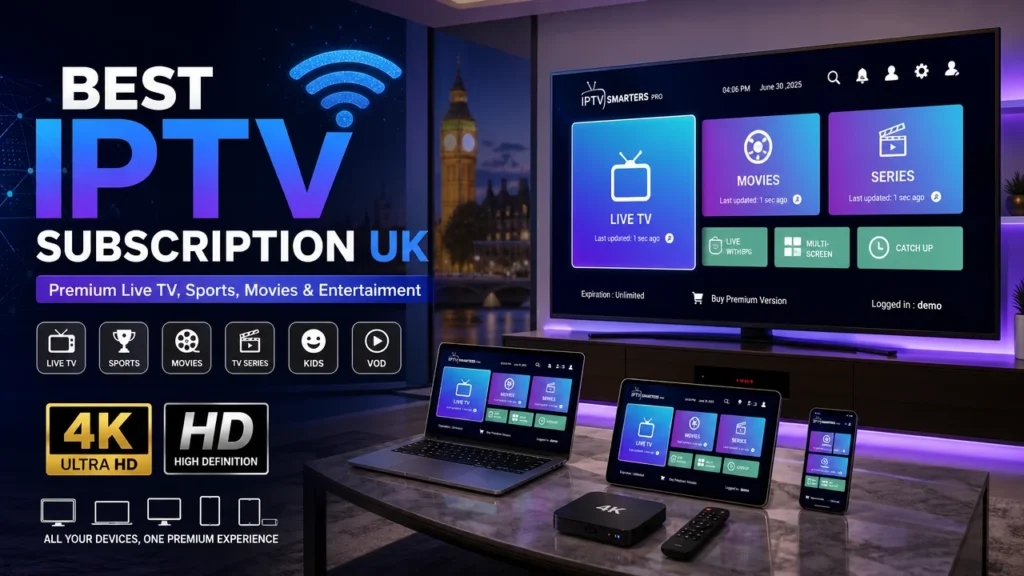
Another overlooked issue is provider lock-in. Some services use custom apps that block third-party players, so when the provider upsells you or changes their servers, you can’t easily move your playlist elsewhere. That leaves you rebuilding your entire setup from scratch. The selection above, with a stable grid and clear preview, shows what a service should look like before you commit — never accept blurry logos and broken EPG data as “normal for IPTV”.
2. Criteria That Should Drive Your Decision
You need a short, practical checklist before testing any ip-tv provider. The criteria below matter more than the number of channels in the promotional banner. If a service fails these tests, no amount of discounts makes it worth your money.
Connection Stability and No Buffering
Your internet speed matters, but their server capacity matters more. A dependable provider owns or rents enterprise-grade servers with redundant connections, not a single VPS in a data centre that oversells slots. Look for mentions of anti-buffer technology, adaptive bitrate streaming, and real-time route optimisation. During a free trial, watch the same channel at peak evening hours and on your phone’s mobile network to stress-test the delivery.
Content Quality and Channel Lineup
A top ip-tv provider posts an accurate channel list or lets you preview it before payment. You want to verify the presence of the exact networks you watch — many mainstream providers in 2026 now advertise transparent lineups with local catch-up features. The same applies to Video-on-Demand (VOD): check the resolution options, not just the total library size.
Device and Platform Support
Does the service work on smart TVs, Android boxes, iOS, Windows, and web browsers? Are the apps native or rented from a generic IPTV panel? Native apps with regular updates indicate a real operation. Also ask about format compatibility: M3U URL, Xtream Codes, or proprietary API.
Pricing and Payment Transparency
Transparent providers display a payment gateway, issue invoices, and clearly state monthly or yearly totals. If you see only cryptocurrency payment and no customer support phone number, the operation could vanish without recourse. Watch out for “promotional” prices that turn into sudden renewal hikes, and always ask about payment security.
Pros of a Reliable ip-tv Provider
- Lower monthly cost than most cable plans
- Access from multiple devices, even while travelling
- Huge library of live channels and on-demand content
- Customisable EPG, catch-up TV, and recording options
- Easy replacement of expensive sports packages
Cons to Keep in Mind
- Some providers operate in a legal grey area
- Frequent app or server changes can interrupt viewing
- Quality depends heavily on your broadband speed
- Customer support hours can be limited
- Hidden device limits may be enforced at peak times
3. What You Need to Know About the Current Market
The IPTV industry has consolidated heavily since 2024. The days of random reseller panels are gradually fading, replaced by licensed platforms that work with telecom operators and studios. That shift means the best ip-tv provider 2026 options look more polished, but also more standardised in price. In the US and Europe, legitimate “skinny bundles” have started to compete directly with traditional cable by offering flexible IPTV-style packages.
At the same time, demand for ip-tv provider for sports content has never been higher. With the fragmentation of football, basketball, and F1 rights across multiple broadcasters, fans are chasing one central hub for every match. The 2026 market response is new sports-specific IPTV tiers with higher reliability guarantees and faster stream switching between stadium feeds. That is a positive trend, but it also raises the bar for network performance.
Secure special promotional rates instantly before the window closes.
Activate Your ip-tv provider Subscription Now →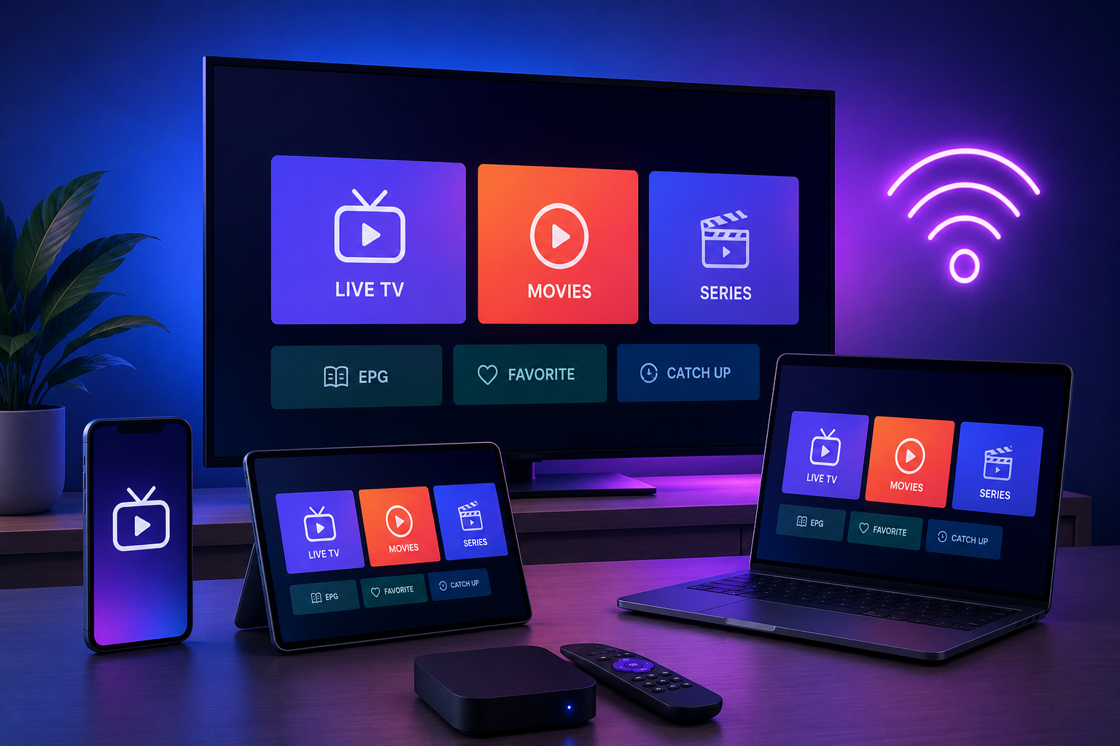
Because the market is moving so quickly, old review articles go stale fast. The dashboard above is typical of current services — cloud-based, sync-ready, and designed for household sharing with parental controls. When you evaluate a provider, always ask for their most recent server locations and app update date. A service still pushing software from 2024 is probably lagging behind the competition in both features and security.
4. Questions to Ask Before Buying
These five questions will quickly separate professional operations from fly-by-night sellers. Write down the answers and compare them across providers.
- “Do you offer a trial or money-back guarantee?” — If the answer is no, consider it a major red flag.
- “How long have you been in business under this brand name?” — Older names with traceable reviews are safer.
- “What are the exact device limits and simultaneous streams?” — You need this in writing, not on a vague FAQ page.
- “Can I use your service on my TV, laptop, and phone at the same time?” — Many promises look good on paper but fail in practice.
- “Which server locations or CDN partners do you use?” — Multi-region delivery usually means less buffering in peak hours.
5. Warning Signs to Spot
Some warning signs will appear before you even open your wallet. Train yourself to notice them early.
- No trial exit strategy, or trials that require full payment details upfront.
- Claims like “all sports channels in the world” for under five euros a month.
- Only cryptocurrency payments, with no credit card or PayPal alternative.
- Zero presence on review platforms — a clean web search should show real users.
- Support via Telegram or WhatsApp only, with no email or ticketing system.
- A channel list that is a single screenshot with no VOD category breakdown.
6. Comparison Table of Available Options
In 2026, most buyers fall into one of the four categories below. Use the table to match your expectations with the right type of service.
| Provider Category | Best For | Typical Price / Month | Speed Required | Main Risk |
|---|---|---|---|---|
| Budget IPTV | Casual viewers | 4–8 EUR | 15 Mbps | Downtime, fewer updates |
| Mainstream Provider | Families and news viewers | 10–16 EUR | 25 Mbps | Occasional EPG gaps |
| Sports-Focused | Football, basketball, F1 fans | 15–25 EUR | 40 Mbps + Ethernet | Server strain during big games |
| Premium / 4K | Tech enthusiasts | 20–35 EUR | 60 Mbps fiber | Higher cost, still no true legal guarantee |
There is no single perfect provider — the best ip-tv provider 2026 is the one that matches your usage pattern. Budget services are fine for occasional documentaries, while sports fans should never compromise on server redundancy. The premium tier makes sense when you own multiple screens and want consistent 4K performance.
7. Recommendation by Budget and Needs
Budget Conscious Users
Look for a cheapest ip-tv subscription that still includes a local channel group and a modest VOD library. Choose a monthly plan first to test stability. Consider provider servers located near your country to keep latency low.
Family Households
Prioritise family profiles, parental controls, and at least two simultaneous streams. In this segment, a mainstream provider with a polished app will make daily use much easier for non-technical users.
Sports Enthusiasts
Your priority is a reliable ip-tv provider for sports with multiple backup streams for top matches. Ask about server capacity on match day. A sports tier that reroutes traffic automatically pays for itself during live football weekends.
Cord-Cutters Coming From Cable TV
If you are deciding between iptv service vs cable tv, remember that IPTV wins on price and flexibility but cable remains unbeatable in absolute disaster-proof reliability. Keep one basic cable package for emergency use if your city regularly suffers internet outages.
8. How to Maximize Your Investment
You can double the value of your subscription by taking a few technical steps that many users overlook.
- Always use a wired connection for 4K. Ethernet beats Wi-Fi for sustained streaming, especially on UK and US sports channels.
- Set up a VPN at router level. Some ISPs throttle IPTV traffic based on protocol patterns; a VPN fixes that and protects your privacy.
- Download a backup player. Use a standard M3U player like TiviMate or OTT Navigator as a second option if the provider’s native app fails.
- Configure EPG and recording. Set series recording for weekly shows so you don’t depend on live scheduling.
- Renew month by month initially. Once you trust the service, switch to a 6-month or annual plan to lock in lower pricing.
Final Subscription Window:
Main Offer Today →Affiliate Disclosure: Clicking this secure link verified by our network supports our team through standard partnership terms at zero extra cost to your invoice.
Frequently Asked Questions
1. How do I tell if an ip-tv provider is legal in my country?
Research whether the provider holds licensing agreements with content creators. Legitimate services in your country will have a physical address, VAT number, and transparent terms. If the home page avoids mentioning licensing or jurisdiction, treat it as a red flag. Local regulations vary widely, so check with your telecom regulator if necessary.
2. What is the cheapest ip-tv subscription that still includes good sports coverage?
Budget sports plans usually start around 8–12 EUR per month, but they often omit HD feeds or local commentary. Look for mid-tier promises like “sports + basic UK/US channels” rather than “all world sports” for a low price. A price far below the cost of broadcasting rights is rarely sustainable.
3. Can I get a reliable ip-tv provider with no buffering on a 10 Mbps connection?
A well-optimized IPTV stream can run with 10 Mbps if you only watch one HD channel and don’t share the connection. You’ll need roughly 25 Mbps for seamless 4K or multi-room viewing. The provider’s server quality matters even more than your speed. Ask them directly if they support adaptive bitrate streaming.
4. Which ip-tv provider reviews on Reddit are actually trustworthy?
Follow users with long account history and realistic complaints, not direct hype. Posts that compare two or three services with specific screenshots are more credible. Also check the user’s post history for affiliate links. Reddit reviews are useful for filtering, but you should still run your own trial.
5. Is there an ip-tv provider that offers a money-back guarantee?
Yes, premium services usually offer a 24-hour to 7-day refund window. A refund guarantee shows confidence in server stability and content supply. Read the conditions carefully — many providers only refund the first subscription, not renewals. If a provider refuses refunds entirely, keep shopping.
6. How many devices can I use with one ip-tv provider subscription?
It varies by package: basic plans cap at one active stream, premium family plans allow 3–5 simultaneous connections. Ask if the provider locks devices by IP address or allows account sharing. For a household, choose a service that offers a profile system, not just simultaneous streams.
7. What should I do if my ip-tv provider goes offline in the middle of a match?
First, check your own internet and the provider’s status page, if one exists. Contact customer support via WhatsApp or Discord — reliable providers answer within 15 minutes. If the service stays offline for days, it’s a strong signal that the operation is ending. Keep local backups of purchased credits and switch before renewal.
8. Is it worth switching from cable TV to an ip-tv service in 2026?
If you value on-demand library depth, multi-device access, and lower monthly costs, IPTV is worth the switch. Cable still wins on ultra-stable broadcast for live mass events. Many users now keep a cheap cable plan for emergency use and use IPTV for entertainment. Consider your own tolerance for occasional technical tweaks.