This article contains affiliate links. If you buy through them, we may earn a commission at no extra cost to you. Learn more.
The Breakdown
Before you subscribe, separate fact from fiction. These are the five most repeated tvpass myths — and the documented reality behind each one.
In Brief
- Most “tvpass not working” reports are local network problems — a VPN or Ethernet connection resolves the majority.
- tvpass is a legitimate IPTV provider operating in a licensing grey zone, not an official app-store product.
- The one-month plan is the right starting point; longer subscriptions only save money once the service proves stable.
- Installation on Fire TV and Android TV is documented and takes roughly ten minutes — “incompatibility” claims are unfounded.
The tvpass name keeps surfacing in IPTV conversations, but most of what circulates about it is guesswork repeated until it sounds like fact. This guide breaks down the five most common tvpass myths — legality, installation, pricing, reliability, and service sameness — and compares each claim against documented reality.
The stakes are practical. Misled buyers overpay for the wrong plan, sideload malicious clones from unofficial blogs, or abandon a subscription after an easily fixable network issue. The difference between a wasted purchase and a long-running setup usually comes down to five specific misunderstandings.
Why tvpass Myths Persist — and What They Cost You
The problem isn't that people are wrong about tvpass; it's that they're wrong in ways that produce expensive decisions. A proper evaluation of the service needs to separate the product's real characteristics from the folklore around it — and the folklore is particularly sticky because it mixes a small truth with a large leap. Each myth below follows the same shape: a grain of truth, a logical jump, and a conclusion that sounds reasonable if you never verify it. The cost shows up in the wallet — but it's completely avoidable.
Myth 1: “tvpass Is Just Another IPTV Clone”
At its surface, the claim makes sense: most IPTV services do look alike. They run the same kinds of players, show similar channel grids, and use the same streaming protocol underneath. But “same technology” is not “same product.” Providers differ in three areas: where the streams come from, how the app behaves, and how the account is supported.
tvpass draws its channels from multiple regions rather than reselling a single wholesale feed. That shows up in the channel list, where the US, UK, and sports sections have distinct lineups instead of one duplicated list. The interface shown at the top of this article behaves like a modern TV guide, and the EPG — the electronic program guide — carries real show titles and descriptions. That last point matters more than people realise: many budget IPTV panels leave the EPG blank or broken, which ruins the experience even when the picture quality is fine.
None of this makes tvpass technically unique. It is still IPTV, delivered the same way as the rest of the category. But the conclusion people should stop drawing is that “IPTV product” equals “identical to every other.” Comparing tvpass to a bare-bones reseller panel simply because both use IPTV is like comparing two cars because both have four wheels.
Myth 2: “Using tvpass Is Illegal”
Let's be precise about what the law does and doesn't say. IPTV is a delivery technology, not a crime. The same streaming infrastructure powers legitimate platforms, corporate webinars, and unlicensed channels alike. What can violate copyright law is content distribution without licensing — and that is an issue between content owners and the people controlling the stream sources, not the person watching in their living room.
That does not mean there is zero risk. Some governments have pushed ISPs to block unlicensed streams, and several large IPTV providers have been shut down without warning. So it is fair to say tvpass operates in a grey zone. A grey zone is not the same as a trap, and understanding the difference is what separates a working tvpass setup from a wasted subscription. The practical takeaway: if you are comfortable with the IPTV landscape generally, tvpass is no more or less risky than its competitors. If you are not comfortable, no amount of reassurance should convince you to buy.
Myth 3: “tvpass Won't Work on Official Devices”
This myth contains a fact that gets twisted into a false conclusion. It's true that you won't find tvpass in the Amazon App Store, Google Play, or Apple's App Store. Those stores require apps to hold verified distribution rights for the content they stream, which is why no serious IPTV service appears there. The leap that follows — “so it can't work on my Fire Stick or TV” — is wrong.
The documented reality is sideloading. The official tvpass setup guide covers Fire TV, Android TV, and several recent smart TV platforms. The process is consistent: allow installation from unknown sources, download the APK from the official page, install it, then sign in with your credentials. That is not a hack or an elaborate workaround; it is the standard installation path for this category. Many “how to install tvpass” searches end at this exact step, and the complaints that follow usually describe a failed sideload or a missing sign-in, not a genuine compatibility problem.
Most of what gets posted as “tvpass not working” is an ISP problem wearing the app's name.
Myth 4: “The tvpass Pricing Is Too Good to Be True”
When a service promises hundreds of channels for roughly the price of one mainstream streaming platform, suspicion is rational. But the low price is not a scam signal — it is structurally explained by the IPTV business model. There are no broadcast licensing fees, no satellite uplink costs, no carriage negotiations. The margin works because content-acquisition costs are minimal and operating expenses are limited to servers, bandwidth, and a support team.
That doesn't mean every plan is right for you. tvpass pricing in 2026 follows a simple tier structure, and the defining factor is not channel quantity — the channel list is essentially the same across tiers — but the number of simultaneous connections and the length of the subscription. A single-connection plan on a household with three active TVs will hit constant disconnections, and users will blame the service when the real problem is a plan mismatch. Read the connection column before you compare monthly prices.
Myth 5: “If tvpass Is Not Working, the Service Is Down”
“tvpass not working” is one of the most searched phrases around this product, and it's the most misleading one. The service itself does go down occasionally — every IPTV provider does. But the vast majority of failure reports describe the same pattern: the stream starts, then freezes or drops during a live event. That is not the provider's server dying; that is the user's ISP throttling a high-bandwidth, low-latency stream.
IPTV traffic is easy for an ISP to recognise and shape, especially during peak hours and major sports matches. The fix is well-documented across user reports: enable a VPN before opening the app. A VPN masks the traffic type and stops most throttling. If that does not solve it, check the router's MTU settings, move closer to the access point or switch to Ethernet, and confirm the app is up to date. Only after all of those steps does it make sense to suspect the service itself. Most of what gets posted as “tvpass not working” is an ISP problem wearing the app's name.
tvpass Strengths and Weaknesses at a Glance
The trade-offs are clearer if you put them side by side. Notice that the weaknesses are mostly process-related — installation routes and network requirements — rather than product-related failures.
| Strengths | Weaknesses |
|---|---|
| Channel list spans multiple regions with dedicated sections | Sideloading required on Fire TV, Android TV, and most smart TVs |
| EPG populated with real program titles and descriptions | Best performance requires a VPN on most home connections |
| Connection-based tiers let you match the plan to your household | Grey-zone licensing means channel availability can shift |
| Competitive per-month pricing for the channel count | No presence in official app stores — a dealbreaker for some users |
What Actually Works, Based on the Evidence
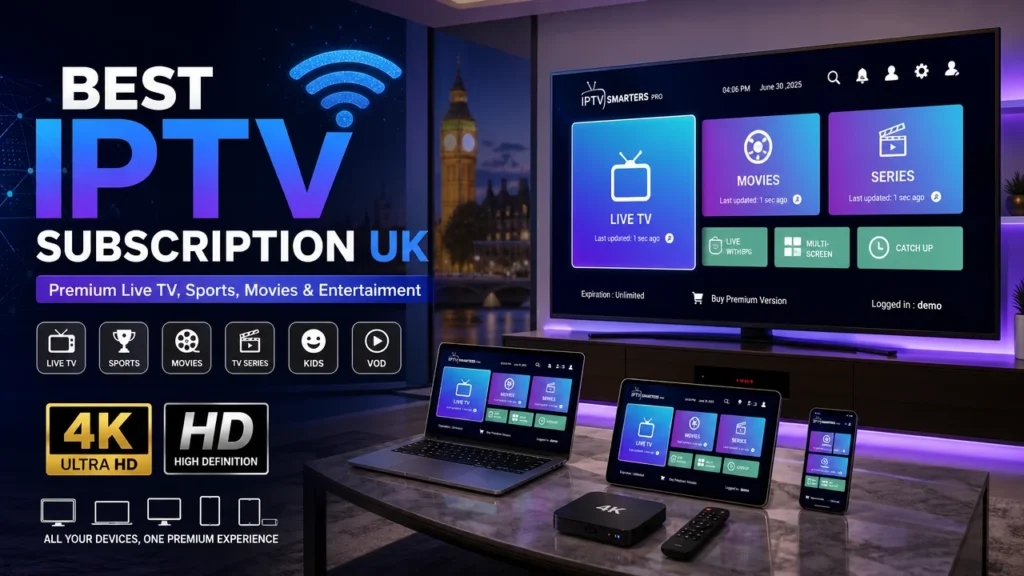
The installation step shown above — a simple APK install — is the moment where “tvpass not working” claims usually begin. Once that part is behind you, a reliable setup comes down to five habits drawn from user reports and the current tvpass documentation:
- Switch on a VPN before opening the app. Choose a nearby server so latency stays low. This is the single highest-impact fix for mid-stream drops.
- Use a wired connection where possible. Ethernet beats Wi-Fi for IPTV; if that's impossible, use a 5 GHz band and keep the device away from walls.
- Update the app when a new version appears. Outdated builds are the second-biggest source of issues, after network problems.
- Start with a one-month plan. That is your test drive. Watch a live sports event at peak time and see whether the stream holds. If it does, upgrade for the longer-term discount.
- Buy from the official page only. Resellers often sell the same credential to multiple buyers, which ends in a lockout mid-cycle. The official page is the safest place to buy tvpass.
Popular Belief vs Documented Reality
If you take one thing from this article, let it be this table. It compresses every myth above into a single comparison you can revisit when someone in an IPTV forum starts repeating the old claims.
| Popular Belief | Documented Reality |
|---|---|
| “tvpass is the same as every other IPTV service.” | The category shares streaming technology; individual providers differ in sourcing, app behaviour, EPG quality, and support. |
| “Using tvpass will get you into legal trouble.” | IPTV delivery is legal technology; the licensing grey area is a provider-side issue in most jurisdictions, with rare end-user enforcement. |
| “tvpass won't work on a Fire Stick or smart TV.” | It works via sideloading; the official guide covers Fire OS, Android TV, and several recent smart TV platforms. |
| “The low price is a scam signal.” | The price reflects the IPTV cost structure — no broadcast licensing or carriage fees. The real risk is plan mismatch, not fraud. |
| “When tvpass fails, the service is down.” | Most failure moments are ISP throttling of IPTV traffic — and a VPN resolves the majority of those cases. |
Where to Buy
Compare package options and check what the current offer includes before you decide.
So Which tvpass Myth Actually Matters Most?
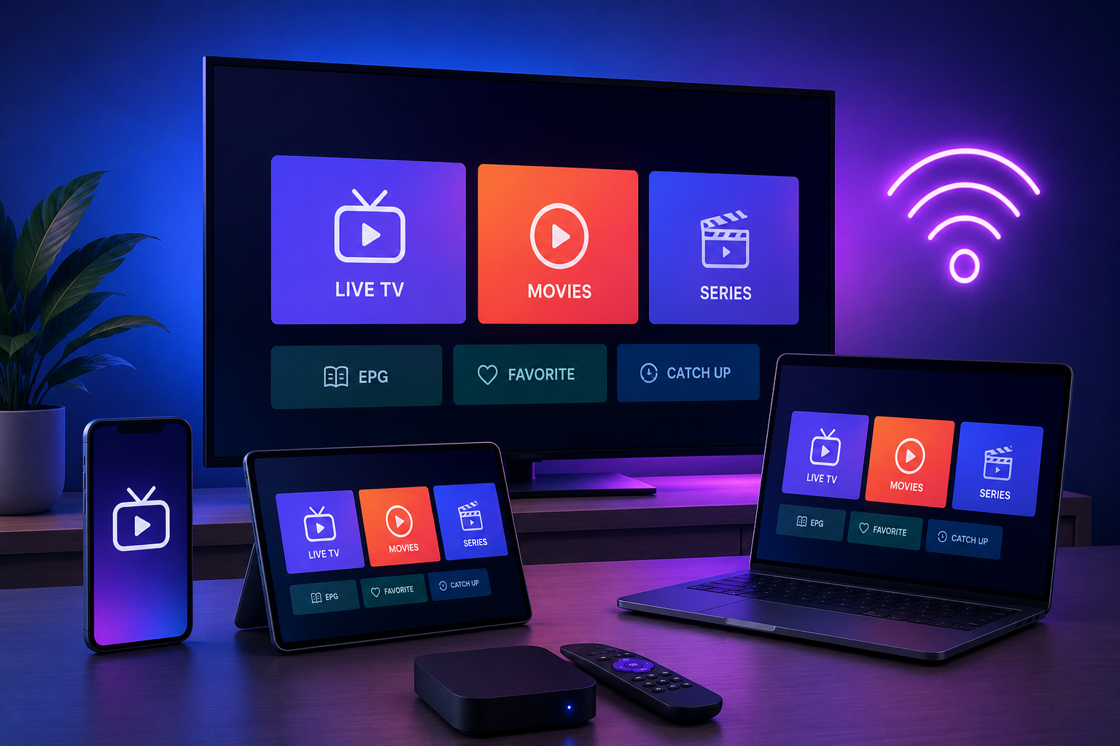
The streaming box above is typical of the devices tvpass runs on: small, quiet, and running Android under the hood. Once it is connected to a decent network and a VPN, it handles the service without issue. The myth that costs people the most is myth five — because it convinces them the product is broken when the real problem sits between the router and the ISP.
So where does that leave you? If you are looking for app-store convenience and zero setup friction, tvpass will frustrate you — and this is the honest place to say it. If you are comfortable sideloading an app and running a VPN, the service delivers a genuinely wide channel selection at a per-channel price that mainstream streaming cannot match. If you decide tvpass is not for you, the table above gives you the vocabulary to judge any other IPTV provider you consider; if you are looking for a tvpass alternative, you now know exactly which questions to ask first. Check the current official tvpass page for the latest pricing and connection limits before you commit.
That is the real takeaway here: tvpass is not magic. It is a well-configured IPTV provider that behaves exactly as the technology dictates — and knowledge, not luck, is what makes it work.
The Bottom Line
tvpass is a credible IPTV provider for users who understand the category's trade-offs — but it is the wrong product for anyone expecting store-install convenience and zero technical involvement. If that trade-off sits fine with you, the shortest plan plus a VPN is the honest formula that actually works.
link twoThis link goes to the seller's official checkout. If you purchase through it, we may earn a commission at no additional cost to you. Our assessment is written independently of that arrangement.
Frequently Asked Questions
Is tvpass legal?
IPTV delivery itself is a normal internet technology; what can violate copyright law is the distribution of unlicensed content, which is a provider-side issue in most jurisdictions. End users have rarely been the target of enforcement, and no major case has produced a fine for simply watching a channel. Still, tvpass sits in the same grey zone as nearly every IPTV service — if you want zero legal ambiguity, you would need to stick to licensed platforms. That is a personal comfort call, and there is no shame in either answer.
How to install tvpass on FireStick?
Enable “Apps from unknown sources” in the Fire OS settings menu, then install the Downloader app from the Amazon App Store. Open Downloader, enter the official tvpass APK link from the product page, install the file, and sign in with the credentials from your purchase. The whole process takes about ten minutes. The critical rule is to download the APK only from the official tvpass page — third-party blogs sometimes repackage files with unwanted extras.
tvpass not working on smart TV — what should I check?
Most “tvpass not working” reports on smart TVs trace back to network configuration, not the app. Check that other streaming apps work normally; if they do, reboot the router, try Ethernet instead of Wi-Fi, and enable a VPN. Confirm you are on the latest app version — old builds often fail after the service updates. If none of that helps, contact the official support channel rather than trusting forum guesses.
Is tvpass worth it in 2026?
For roughly the price of one mainstream streaming platform per month, tvpass delivers a much wider channel selection across news, sports, and entertainment — but that value depends on your willingness to sideload an app and configure your network properly. If you are happy with a few mainstream services and do not need international channels or live sports variety, standard streaming is simpler. For anyone already using a VPN and comfortable with IPTV, the per-channel cost is very hard to beat.
tvpass vs IPTV — which is better?
The question assumes tvpass and IPTV are different things, but tvpass is built on IPTV technology — so the real comparison is between providers, not categories. When comparing, look at server stability during peak hours, EPG quality, simultaneous connection rules, and support responsiveness. Start with the provider that publishes its connection limits clearly; that transparency usually predicts how the rest of the service is run.
What is the best tvpass subscription plan?
The one-month, single-connection plan is the right starting point for almost everyone. It lets you test the service during a full billing cycle, including major live events, before committing more money. Once you have confirmed that streams stay stable with a VPN, upgrading to a longer connection tier becomes a purely mathematical decision — the per-month price drops as the commitment grows.
Where to buy tvpass without getting scammed?
Buy from the official tvpass page and use the payment method it suggests; legitimate IPTV providers rarely demand cryptocurrency-only payments. Before paying, check that the site lists a valid support channel, renewal terms, and a refund policy — their absence is a red flag. The official page is linked from this article if you want the direct route. If a deal appears on eBay or a Telegram group at half price, it is either a stolen credential or a clone.
Does tvpass need a VPN?
Not always, but it is strongly recommended. ISPs can detect IPTV traffic and throttle it during peak hours, which shows up as mid-stream freezing. A VPN with a nearby server makes the traffic unreadable to the ISP and typically resolves the majority of buffering issues. In countries with aggressive network filtering — the UK, Germany, and Australia among them — a VPN is effectively required rather than optional.
Disclosure: Some links in this article are affiliate links, meaning we may earn a commission if you make a purchase — at no additional cost to you. This does not influence our editorial assessment, which is based on publicly available information about the product.